
Showing posts with label Science Fiction. Show all posts
Showing posts with label Science Fiction. Show all posts
Sunday, June 28, 2015
Review of The Hitchhiker's Guide to the Galaxy: The Complete Radio Series by Douglas Adams

Sunday, April 26, 2015
Review of Whom God Would Destroy by Commander Pants
Thursday, November 27, 2014
Review of Second Universe by John A. Ayala
Review of Primordial Labyrinth by John A. Ayala
Sunday, November 23, 2014
Review of Klarity by C. J. Anderson
Thursday, October 30, 2014
Review of The Dark Side of the Sun by Terry Pratchett
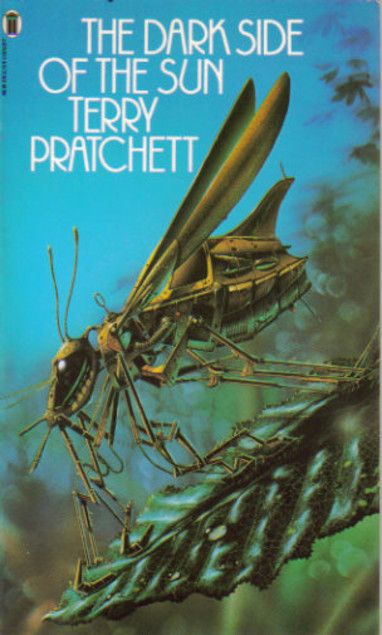
I have to say that I honestly didn't enjoy this book very much. It was completely different in style to everything else I've ever read by Terry Pratchett and if it weren't for the use of some terminology that was also used in his Discworld series, I wouldn't have even known I was reading one of his books. The humor that I've come to know and love in his writing just wasn't present in this book. There were some things that seemed like they were meant to be funny, but really just weren't. I did try to be open-minded about reading something more serious by Pratchett, but the lack of humor in the book wasn't the only thing wrong with it. I just found the book very hard to follow and I found myself feeling lost and confused at least a third of the time when reading it if not more. I think it would have helped if the author had spent more time explaining the various alien races in more detail as well as the technology used. I also felt the ending to the book was weird and really not that satisfying. It's a shame because the premise of this story was interesting and I did like how ancient alien theory was worked into the story, but it could have been done so much better than it was. At least it was a fairly short read so I didn't waste too much of my time on it. I really wouldn't recommend this book unless you're a hardcore Pratchett fan who absolutely has to read everything he's ever written.
Review of A Ring of Endless Light by Madeleine L'Engle
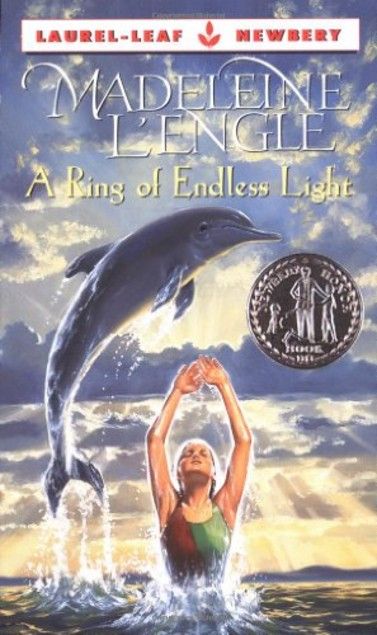
This is a very sad book, but it's also probably my favorite
in this series and I'd highly recommend it. I just love reading about the
spiritual connection that the main character has with the dolphins and with the
guy leading the experiment. This book can probably be read as a standalone, but
would be a good idea to read the previous books in the series plus The Arm of
the Starfish for background story.
Sunday, October 19, 2014
Review of The Young Unicorns by Madeleine L'Engle
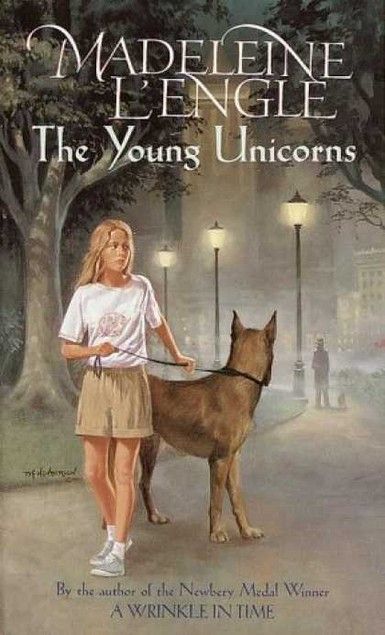
This book is mainly a mystery thriller with some light science fiction mixed in and I thought it was an ok read. I think I did enjoy it more than the first two Austin books, though those two were more realistic fiction. It's not necessary to read the first two Austin books before reading this one unless you want some background on the characters. This book does connect with The Arm of the Starfish though and has a bit of character crossover so I'd recommend reading that book first, but again it's not entirely necessary. This book is in fact very similar to The Arm of the Starfish. Both books feature the head of the family making some sort of scientific breakthrough that ends up putting their family at risk as well as the world at large and someone connected to the family ends up caught in the middle of it and playing a major role. I should note that there aren't any actual unicorns in this book or anything in the book that would give me a clue as to why it was titled the way it was.
Sunday, September 28, 2014
Review of The Arm of the Starfish by Madeleine L'Engle
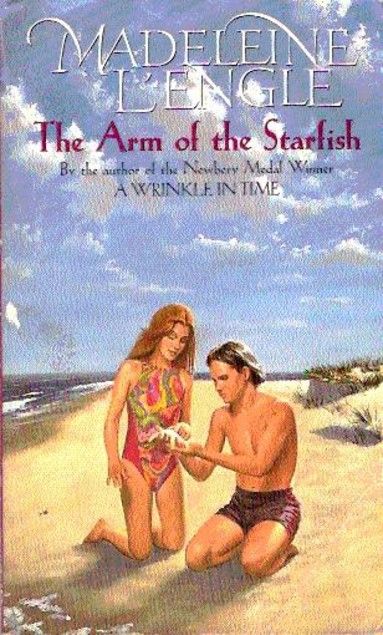
This book was an ok read. It was mostly a mystery thriller type novel with some light science fiction mixed in. The scientific concepts presented in the book were very interesting and there was a good bit of action as well. I'm not sure I entirely liked where the book ended though and felt it could have done with one more chapter to provide some additional closure, but I suppose the author wanted to leave that up to the reader's imagination. This book crosses over with L'Engle's Time Quintet series and features characters from that series, but all grown up with children of their own. This book takes place between books four and five of the Time Quintet and while it's not necessary to read the first four books before reading this book, I would recommend reading this book before reading the fifth book of the Time Quintet.
Sunday, August 31, 2014
Review of Backwards by Rob Grant
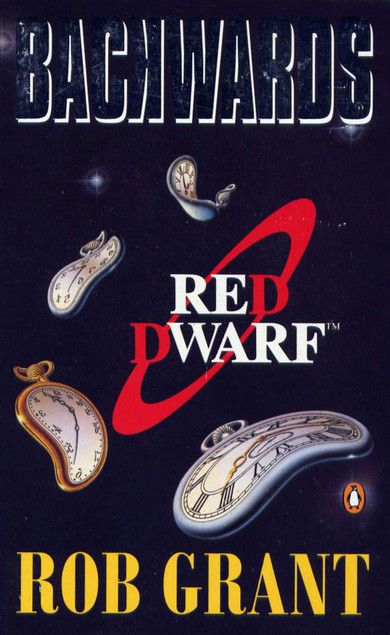
This book is an alternate sequel to Better Than Life so it picks up where that book left off and takes place parallel to Last Human. You'll definitely want to read Infinity Welcomes Careful Drivers and Better Than Life before reading this book, but it doesn't matter if you read it before or after reading Last Human. I think this book resembles the events of the show more closely than Last Human does. It was also the funnier of the two books so I enjoyed it more. I'd say that Last Human is still worth reading though even if it wasn't quite as good as this book. To anyone looking to both watch the show and read the books, I recommend watching the entire show before starting on the books because the differences between the two will be less confusing that way.
Sunday, August 24, 2014
Review of Last Human by Doug Naylor
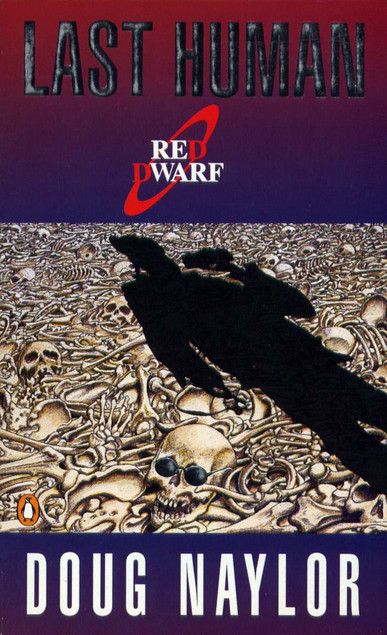
This book picks up right where Better Than Life left off, so you should definitely read it and Infinity Welcomes Careful Drivers before reading this book. There are bits and pieces from the show in this book, but the storyline itself is very different. It's not necessarily a bad thing though. It's pretty cool to read storylines that were never in the show. I'd just recommend not starting this book(or the others before it) until you finish watching the show to avoid confusion.
Wednesday, August 20, 2014
Review of Better Than Life by Rob Grant and Doug Naylor

This book picks up right where the first one left off, so you really do need to read Infinity Welcomes Careful Drivers before reading this book. There are differences between the show and the books, so if you plan on watching the show as well, I'd recommend watching all of the seasons before starting on the books as going back and forth can get confusing.
Friday, August 15, 2014
Review of Infinity Welcomes Careful Drivers by Rob Grant and Doug Naylor
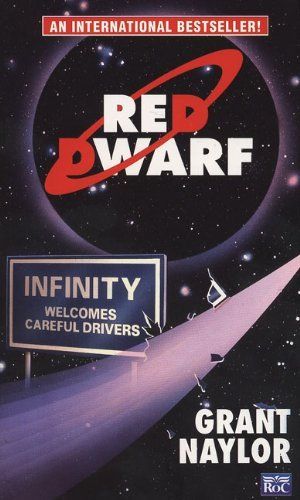
This was a quick but fun read. The ending wasn't exactly a cliffhanger, but it did make me want to read the next book right away. I'd definitely recommend this book to anyone who enjoyed The Hitchhiker's Guide to the Galaxy or anyone that just enjoys British humor. Though I did enjoy the book a lot, I thought the show was funnier. I think this is mostly due to the fact that sometimes humor translates better in an audio-visual format than the written word and for this reason I also found The Hitchhiker's Guide to the Galaxy radio plays to be funnier than the books. I don't think it's necessary to watch the show before you read the books, but it's more fun that way because it's easier to imagine the character's voices and what they look like. The book does give some background story to the show, but it's different in a lot of ways. Some events happen in a different order than they do in the show and many plot details are different. If you do decide to watch the show before reading the book, I'd recommend watching the entire series before starting the book. I started reading the book after I'd only watched most of the second season and then started going back and forth between the show and the book. I started to find this rather confusing due to the differences between the show and the book and it became harder to keep the storylines of each one straight in my mind. I'm hooked now though and I definitely couldn't wait to finish watching the entire series before starting the next book.
Saturday, June 14, 2014
Review of Space Sushi by L. R. Currell
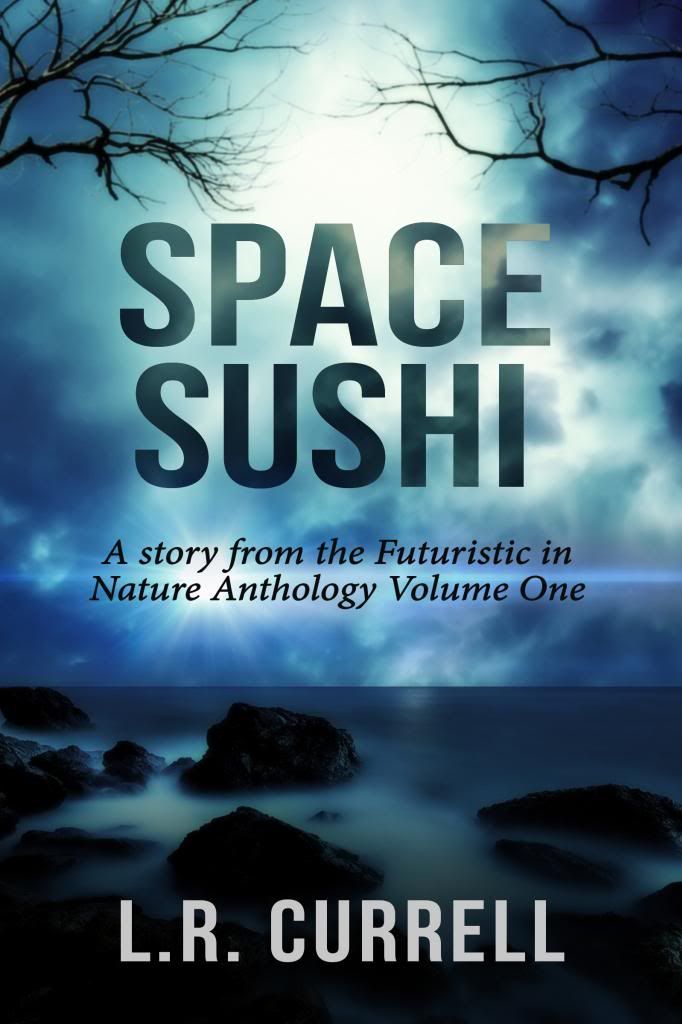
The story was ok, but it didn't really draw me in that much until the end. I'm not saying it was a bad story, but I think perhaps it just wasn't my cup of tea. I do think it was very well written except for some scattered typos and grammar errors, but nothing that made the piece unreadable. I found the end of the story to be very predictable, but I enjoyed the drama of it. Overall I rated this story three stars.
Review of A Wrinkle in Time: The Graphic Novel by Madeleine L'Engle
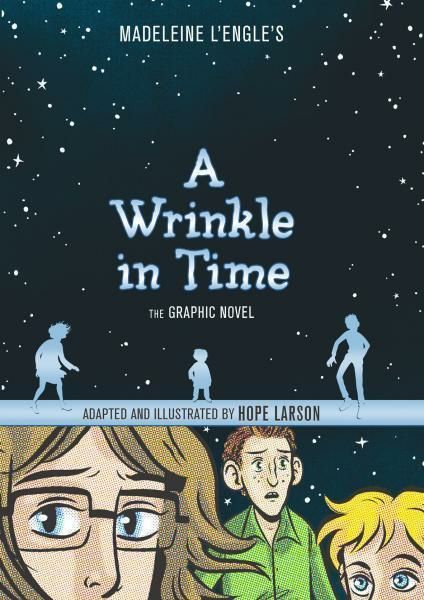
I would consider this story to be a combination of science fiction and fantasy. Although the methods of space travel are based in scientific theory, there really isn't any explanation for how it is supposed to work or any technological devices used, so the effect is pretty much the equivalent of magical teleportation. The graphic novel version of this book was fun quick read. The drawings were nice, but they were rather monochrome and I would have preferred more color. I found that the illustrated version helped me visualize some things better than I could with the original book. I also liked that there was less emphasis on religious themes than there was in the original book. I'd definitely recommend this book to anyone who's a fan of the original, but I'm not sure there's enough explanation of certain aspects of the story to really understand everything if you haven't read the original beforehand.
Saturday, May 31, 2014
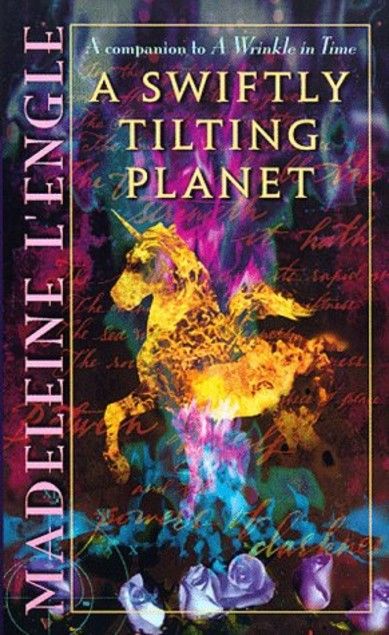
Review of A Swiftly Tilting Planet by Madeleine L'Engle
Review of Many Waters by Madeleine L'Engle

Many Waters by Madeleine L'Engle is about twin brothers who accidentally tamper with their father's experiment and get sent back in time to biblical prehistory where people live for hundreds of years and mythological creatures are commonplace. They are unprepared for the extreme desert climate and suffer from extreme sunburn and heat stroke. Some natives, who turn out to be the family of the biblical Noah, help nurse them back to health. After the twins realize where and when they are, they must race against time to figure out a way to get home before the flood waters come.
I really enjoyed this book and especially liked how the author drew from non-traditional religious sources such as The Book of Enoch. I also really liked some of the spiritual themes in this book which seemed universal even if it is based on a Judeo-Christian story. I would recommend this book to anyone who enjoys biblical fantasy or enjoyed the author's other books. Although this book was written after A Swiftly Tilting Planet, it actually takes place before that book. I personally prefer to read these books in chronological order, but I would only recommend that others do so if they don't mind taking a break from the main characters that feature in the first three books of this series.
Friday, May 23, 2014
Review of In the Days: A Tale of the Forgotten Continent by Andy Peloquin

I have mixed feelings about this book. It's certainly not what I was expecting as the end of Atlantis wasn't the main focus of the book, but it's a pretty good story just as a mystery novel. So I'm not sure I'd recommend it to anyone just based on the fact that they love stories about Atlantis, but if you think you would enjoy a mystery/thriller set in a city similar in many ways to ancient Rome then you might enjoy this story. In some ways it reminds me a bit of Marion Zimmer Bradley's The Fall of Atlantis because in that book the destruction of Atlantis wasn't the main focus(in fact it didn't even happen until a sequel was written much later), but it was more of a mystery/romance novel.
Although I did enjoy the story as a whole there were certain things that really rubbed me the wrong way. Just based on the story alone I might have rated this book four stars but it lost a star due to everything I will describe in the following paragraphs. The author made a really weird choice and did a flash forward scene in the prologue. There were also a few other flash forward scenes throughout the book. I'm really not a fan of flash forward scenes at all in TV and movies, but this was the first time I had encountered it in a novel so I tried to keep an open mind about it. By the end of the book I decided that while it was somewhat less confusing to me in a written piece than in a movie or a TV show, I still didn't like it very much and it made me feel like I was reading two different stories. Perhaps it would have been less confusing if the first flash forward scene was done later in the book instead of right at the beginning because there was just too much going on along with too many characters being introduced all at once. I think on the whole I would have preferred it if the author had just combined all the flash forward scenes into a chapter or two and inserted them in where they actually took place in the book.
Another thing I didn't like all that much is that the perspective changed many times in the book. Most of the book was done in first person from the point of view of the Chancellor, but the flash forward scenes were done in third person. It had to be done this way though because the Chancellor was not present in the flash forward scenes. So first person could not have been done unless it was switched to the point of view of another person and in my opinion switching first person between different people is worse than switching between first and third person. I would have preferred it though if the author had just done the entire book in third person. While I do respect the author's creative choice to switch perspectives(even though I don't like it), there are certain areas where it definitely could have been done better. The first chapter starts off with the first person perspective of a gladiator in the midst of a battle who then dies, at which point the perspective changes to that of the Chancellor. This is very confusing and unnecessary. It would have been better to just start off with the Chancellor's perspective and show his view of the fight. Then in the second chapter it switches back to third person for a flash back and it was a bit ambiguous when that flash back ended and it seemed to switch back to first person mid-paragraph.
This is a minor complaint, but something that still bugs me. At the end of the second chapter there is a brief mention of the Chancellor making love to a woman. It doesn't say who she was, but I would assume based on context that she was his wife or girlfriend. What I found very odd was that she was never mentioned again in the entire book even as the Chancellor was lusting after other women. I'm not really sure why that woman was put in the book at all and I sense it might have been something the author forgot to take out.
In general the book could have done with a lot more editing. The entire book is riddled with typos and awkward grammar and in some places there are even words missing. It's not enough to make the book unreadable, but it is annoying and can detract from the enjoyment of the book somewhat. As much as I did enjoy the story, I'm very glad I grabbed this book when it was on sale for free. I think I would have felt cheated considering all the typos and mistakes if I had actually paid for it. As much as I hate to say it, I would not recommend purchasing this book unless a large number of typos don't bother you, it goes on sale for free, or the author puts out a second revised edition. I think this book has a lot of potential and I really hope the author edits and republishes it.
Wednesday, April 30, 2014
Review of A Wind in the Door by Madeleine L'Engle

Like A Wrinkle in Time, this story has both elements of science fiction and fantasy. It also has some strong spiritual themes, but I feel that they are less religion specific than they were in the last book, so it bugs me less. This book is one of my childhood favorites, and as anyone who has read the book can see, it is very special to me considering that I took my screen name from one of the concepts described in the book. It was very strange reading the book again after all these years because my screen name feels very much a part of me and it was so odd seeing it constantly in a book despite the fact that this book is where it came from. Other than that, I really did enjoy reading it again very much and I would highly recommend it to others of all ages.
Monday, April 21, 2014
Review of A Wrinkle in Time by Madeleine L'Engle
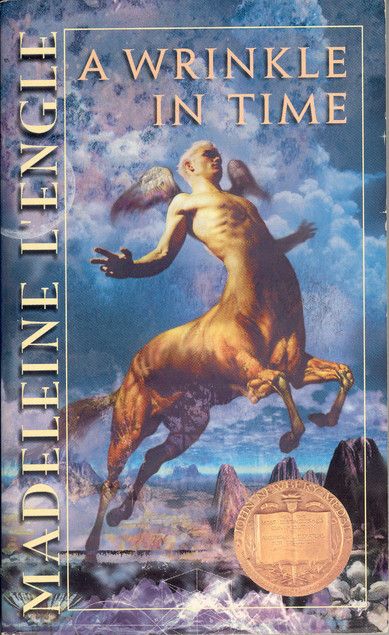
I would consider this story to be a combination of science fiction and fantasy. Although the methods of space travel are based in scientific theory, there really isn't any explanation for how it is supposed to work or any technological devices used, so the effect is pretty much the equivalent of magical teleportation. I enjoyed reading this book nearly as much as an adult as I did when I was a child. In some ways I got even more out of it as an adult since I understand many of the scientific concepts talked about in the book much better now.
The only thing that bugs me about this book at this point in my life is the overt Judeo-Christian themes present in some places in the story. It would have been nice if the author could have stuck with the basic good vs. evil theme without bringing religion into it. I don't necessarily mind spiritual themes in the books I read, but it just felt like a bit much when it was implied that the characters were chosen for a mission by God, especially in what is supposed to be a science fiction story. Though if I recall correctly, the author also uses religious themes in other books in the series as well. In any case I felt that as much as it bugged me, that I could overlook these details in a book that is a childhood favorite, and it didn't spoil my enjoyment of the book too much. I would strongly recommend this book to both children and adults as it contains some very powerful messages in addition to being a great science fiction adventure story.
Subscribe to:
Posts (Atom)